
What to Verify Before Replacing an Anode in a Hard Chromium Plating Bath
Review bath approval, coating, fit and production trial evidence before changing an anode in a hard chromium plating station.
Table of Contents
Ask the bath owner to identify the approved anode type and the production requirement before comparing mesh or plate replacements. Start with the specific hard chromium station, installed drawing and qualified bath. Review any proposed change in coating, geometry or contact as a process change and agree how the plant will validate it.
Start with the bath and the part being plated
Document whether the line uses a hexavalent or trivalent chromium process, the current approved anode and the bath provider’s compatibility requirements. Record the parts, rack arrangement, working envelope and the part areas that are hardest to plate uniformly. Keep proprietary electrolyte details in the appropriate engineering exchange. The plant should specify which information the anode supplier needs to assess compatibility.
A recommendation for another electroplating bath provides limited evidence for this application. Where an iridium oxide or metallic platinum surface is proposed, have the bath owner confirm the admissible material and qualified duty. Identify whether the quoted surface is metallic platinum, an oxide coating or another approved material.
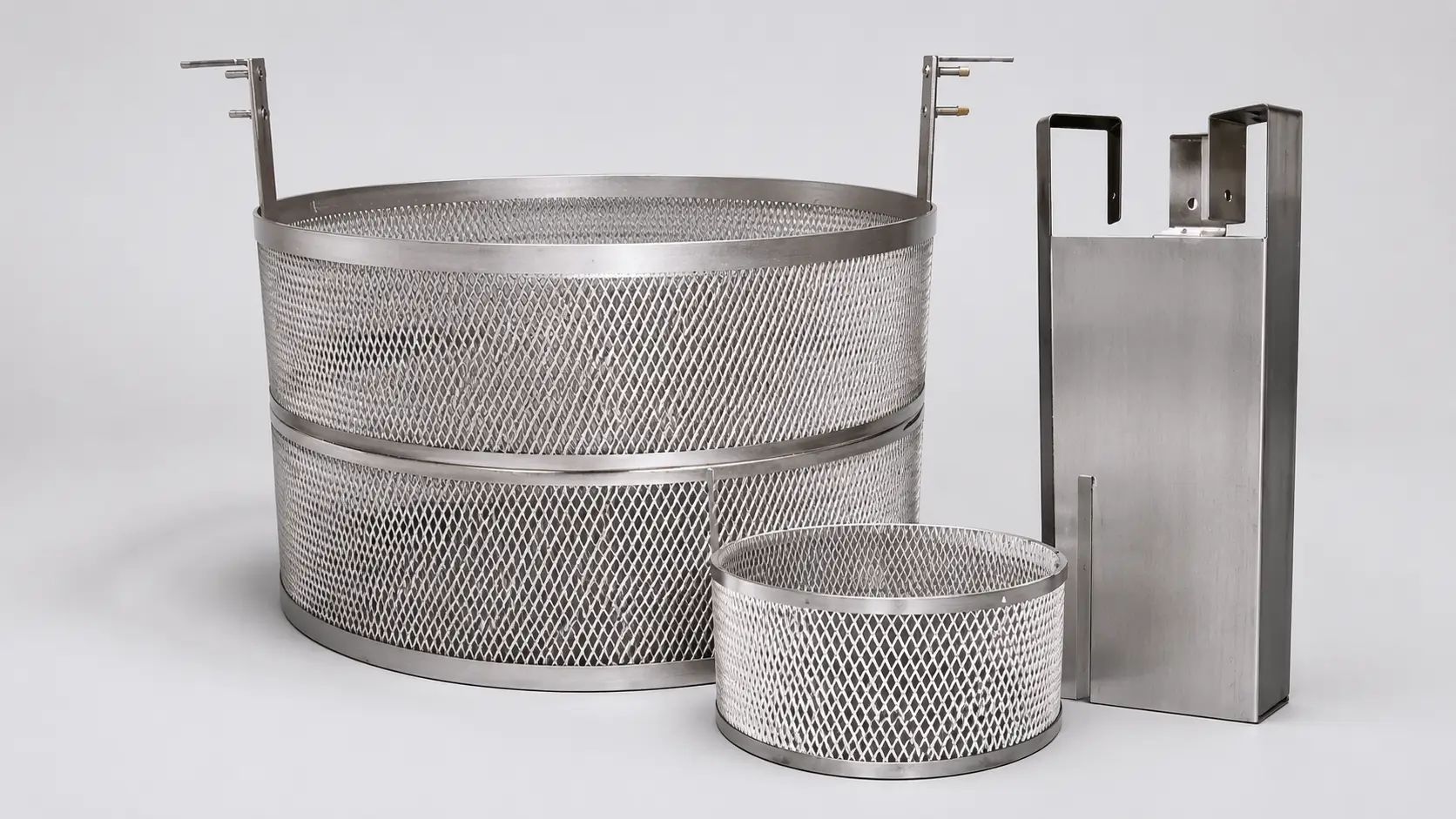
Compare fit, electrical contact and trial evidence
| Item | Put in the enquiry | Check before release |
|---|---|---|
| Geometry | Drawing, opening pattern, mounting and relationship to the part | Physical fit on the installed rack or fixture |
| Electrical connection | Contact arrangement, fasteners and electrical duty | Connection inspection and agreed measurement basis |
| Surface specification | Active faces, coating designation, masked zones and approved bath | Inspection method and report tied to the supplied lot |
| Production trial | Part types, measurement locations and acceptance criteria | Comparison on matched bath and operating conditions |
Include the contact, cable or busbar scope explicitly. If the design changes an exposed tab, confirm that the contact and process interfaces have clear ownership. Measure parts at the positions chosen by the plant, including recesses or edges where these govern acceptance. Retain the baseline and record other changes so the team can interpret the results.
Include the process owner in the change review
Confirm the effects of geometry and operating changes on the plant’s established operating and exposure controls with the responsible team. Published electroplating documentation shows that chromium process conditions affect mist generation. Use the facility’s own controls and qualified approval process when changing the anode arrangement. U.S. EPA electroplating process documentation
Review the HELE TITANIUM electroplating application for the information needed to start an application check. For a confirmed metallic platinum surface, also review platinized titanium anodes.
Frequently asked questions
Can we approve a replacement using the old anode alone?
Use the old anode to identify the part. Reconcile its dimensions, wear and contacts with the approved drawing and bath requirements before issuing an order.
Can a mesh replace a plate of the same overall size?
Have the process owner review the opening pattern, exposed area, relationship to the part, stiffness and electrical connections. Require a fit and production verification plan.
Can I choose a coating from a nickel or copper plating reference?
Ask for evidence applicable to the chromium bath and duty specified by your process owner. Document any remaining qualification work.
Should incoming inspection include coating measurements?
Specify the agreed method, sample locations and traceability for the offered coating before placing the order.
What production result should be compared?
Use the plant’s acceptance criteria at the same part locations. Keep operating and bath conditions comparable and document departures.
What goes in the request for quotation?
Include bath approval basis, current anode details, mounting, electrical duty, part drawing and the required inspection and trial evidence.
Request an anode compatibility review
Share the approved bath requirements and anode drawing with HELE TITANIUM. Identify the change you want to make and who will approve the fit and trial. Submit an anode enquiry
Prepare a technical enquiry
Share the process or protected asset, operating conditions, geometry or drawing, and the scope you need reviewed.
Ask a technical question →References

Project contact