
What to Verify Before Replacing a Cathodic Protection Remote Monitoring Unit
Keep cathodic protection monitoring history, measurement IDs and verification records traceable during a rectifier monitoring unit replacement.
Table of Contents
Before replacing a remote monitoring unit on a cathodic protection rectifier, establish how the asset identity, historical records and measurement references will carry over. Agree on the last trusted reading, the first verified record under the replacement and how the owner will see any gap between them. Put these deliverables alongside the hardware in the purchase order.
Preserve the evidence the owner already relies on
Record the site, rectifier ID, outgoing unit ID and measurement points the existing record covers. Ask the owner to name the authoritative history, permission to export it and any required retention format. Preserve the original channel names and include the units, time basis and quality flags where available. Record dates when the device or data source changed so the owner can tell which configuration produced a reading.
Industry service descriptions distinguish rectifier output monitoring, test station data gathering and reporting as separate activities. Ask each bidder what its scope delivers, including any handover item the asset owner must provide or approve. Example of cathodic protection monitoring service scope
List the records that acceptance needs
| Item | Agree on in the order | Retain at handover |
|---|---|---|
| Asset and measurement-point identity | Which physical asset and individually named points are covered | Approved cross-reference from previous labels to replacement labels |
| Historical data | Export responsibility, file format, time basis and access owner | Date range, original identifiers, export location and any known gaps |
| Comparison evidence | Which independent or existing records can support a comparison and who checks it | Dated observations, matched points and disposition of differences |
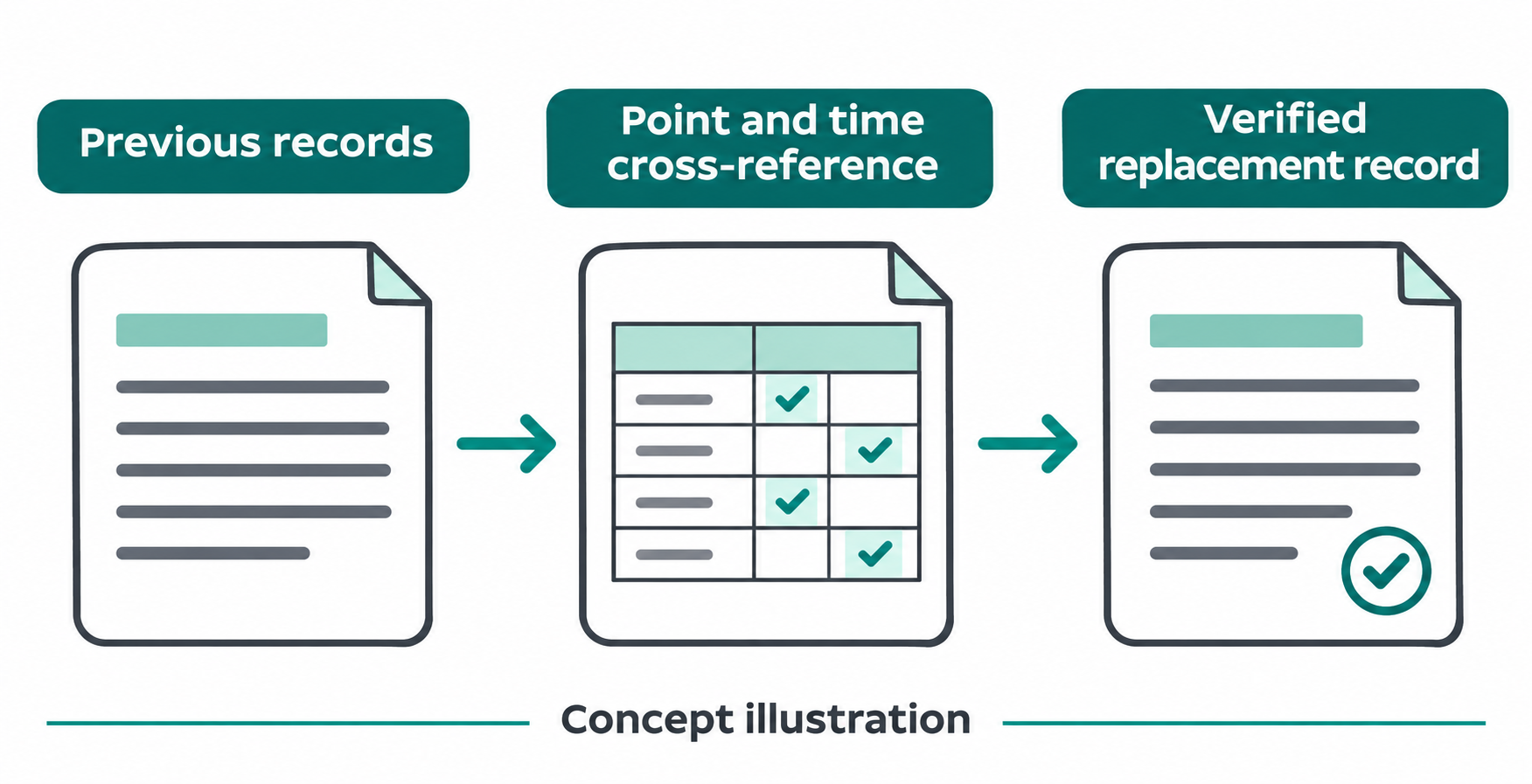
| Change window | How to identify the last trusted record under the old setup and the first verified record under the new setup | Recorded stop and start references, known interruption and affected points |
| Handover approval | Responsibilities for hardware, account and data custody, documentation and follow-up | Delivery records, permissions owner, accepted scope and open items |
A replacement display can show values while the remote archive still lacks the correct point name or time reference. Ask the owner to verify that the records used in its normal review can be retrieved and associated with the correct asset. Preserve unresolved gaps rather than bridging them with inferred readings. Leave field verification and interpretation under the approved corrosion program.
Close the records separately from the equipment delivery
Have the owner sign off the named data handover items, with any further work recorded against the responsible party. Keep the remote monitoring unit, field confirmation and historical data services on explicit scope lines. If the purchase also includes an anode assembly, tie its delivery to the approved part and cable specification. The monitoring record can document observations. The responsible corrosion team determines what they mean for the protection system.
Frequently asked questions
Who should export the old records?
Name the party with authorized access and the delivery format in the order. Have the owner confirm access to the completed export.
What if the old history cannot be recovered?
Document the known date range and gaps. Agree which existing records remain valid and how the owner will establish the first verified replacement record.
Is a visible reading enough for monitoring acceptance?
Also check that the agreed point, units, time basis and stored record appear in the evidence the owner uses.
How do we tell which unit produced an older value?
Retain the unit and asset identities and the change date. Link the historic and replacement labels to their configurations.
Can remote readings replace the field records?
Use each record for the purpose assigned by the approved plan. The corrosion authority decides which independent field checks are required.
Who owns the data after handover?
Identify the owner of the history, export access and ongoing reporting. Record any supplier service period and remaining deliverables.
Identify the anode supply boundary
For an enquiry that also includes anode components, send HELE TITANIUM the approved assembly schedule and state who supplies the monitoring equipment and records. Review ICCP anode installation configurations · Send the component scope
Prepare a technical enquiry
Share the process or protected asset, operating conditions, geometry or drawing, and the scope you need reviewed.
Ask a technical question →References

Project contact