
What to Record Before Reusing Titanium Bolts in a Maintained Assembly
Identify removed titanium bolts and mating parts, obtain a reuse disposition and define the approved replacement scope.
Table of Contents
Before reinstalling titanium bolts removed during an outage, identify the exact joint positions and establish the equipment owner’s approved disposition. Keep the bolts and their mating items identifiable during inspection. If the order or maintenance requirements call for replacement, use the released specification to purchase new parts for the affected positions.
Keep the removed hardware tied to the joint
Link the equipment tag, assembly drawing and joint position to the removed bolt. Record the part identity, applicable material and finish where known, and any available installation or service history. Keep the nut, washer or insert identity separate where those items are relevant. The approving engineer needs to know which parts were paired and whether the history applies to the individual item or only to the assembly.
An application-specific NASA fastener document treats reuse of bolts and other joint elements as separate subjects. It applies to its stated spaceflight scope. For industrial equipment, use the approved joint requirements and maintenance authority. NASA fastener usage criteria, sections 4.8–4.9
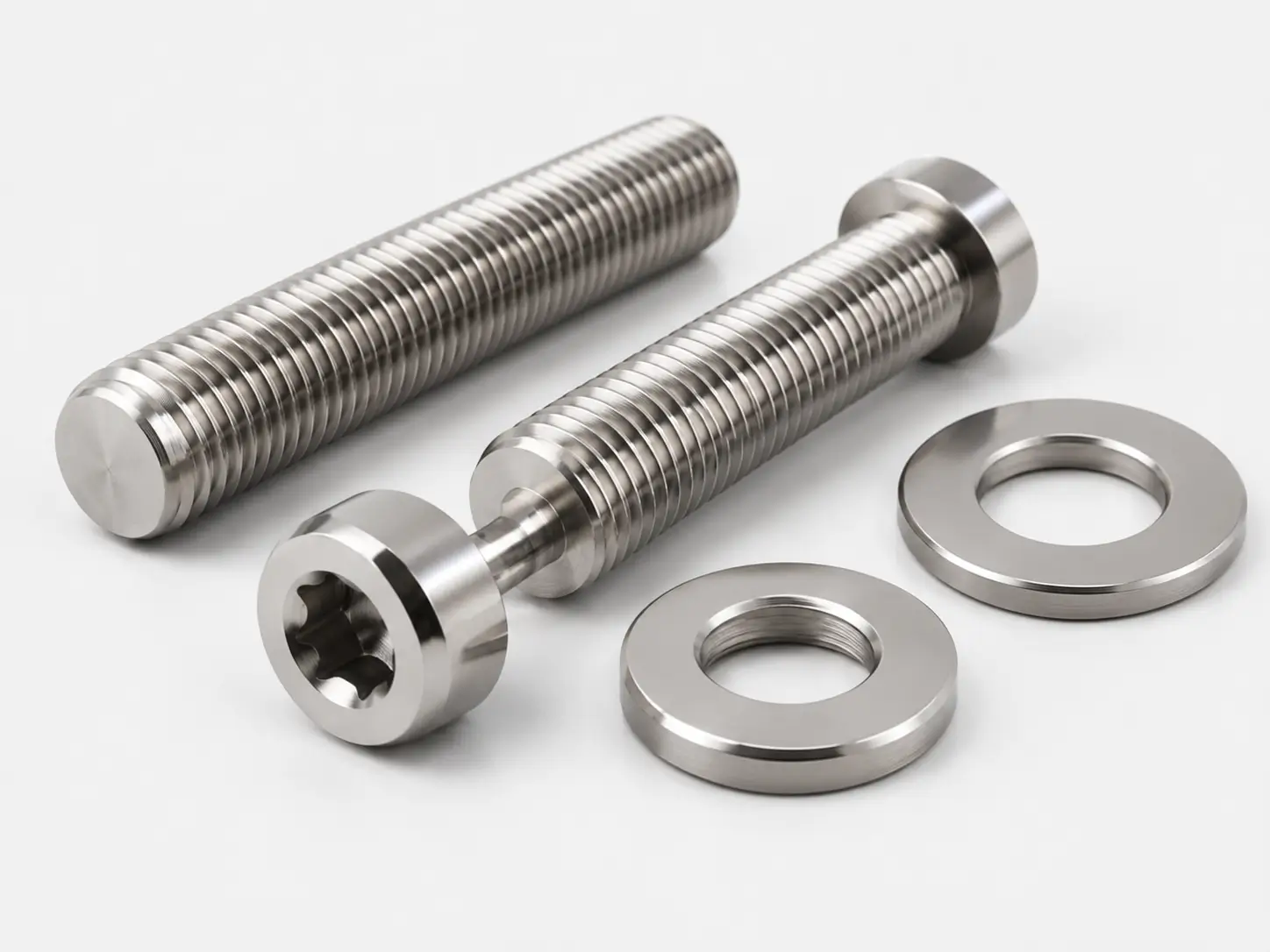
Use the inspection record to make a parts decision
| Record | What to preserve | Decision it supports |
|---|---|---|
| Joint identity | Asset, position, controlled drawing and bolt part number | Which requirements govern the hardware |
| Service and removal history | Available installation records, relevant exposure and observed conditions on removal | Which history the reviewer can substantiate |
| Current inspection | Required inspection and evidence for the bolt and applicable mating parts | Which parts have been evaluated under the approved plan |
| Disposition | Approved reuse, replacement or hold for each affected position | What maintenance and stores may issue or reinstall |
If the parts were mixed after removal, record which identities or histories can still be recovered. Describe any reported thread damage, surface issue or removal anomaly using the approved inspection method. Keep the observed condition and the reviewer’s disposition separate. A good-looking bolt can still have unresolved identity or history.
Give procurement the released replacement scope
When the review calls for new parts, document which bolt positions and mating items are included. Use the specified grade, condition, thread and drawing, and state the finishes and acceptance records required. An older purchase record can help identify the previous part. Reconcile it with the maintenance authority’s applicable revision before issuing a new order. Titanium fasteners buying guide
Frequently asked questions
Can a bolt’s visual condition alone establish that it may be reused?
Apply the owner’s inspection and reuse requirements. Identity, service history and approval may also matter.
Should the used bolt and nut have separate records?
Record each item that affects the joint and its disposition. A decision for one item may leave another item pending.
What if there is no record of the previous installation?
Document the gap and ask the appointed authority which disposition the equipment requirements permit.
What if the thread size can be measured but the part number is missing?
Use the available evidence to help identify the candidate. Obtain the applicable part definition and approved disposition before release.
Who signs the reuse or replacement decision?
Use the role named in the maintenance or design documentation. Retain that approval with the joint position and the applicable inspection record.
What belongs on the new purchase enquiry?
Send the released part definition, verified quantities, applicable finish and traceability requirements, and any matching components included in the order.
Request a replacement fastener review
Send HELE TITANIUM the released part specification, affected positions, quantities and document requirements. View titanium fasteners · Send the released item list
Prepare a technical enquiry
Share the product form, grade or standard, dimensions, quantity and inspection requirements.
Ask a technical question →References

Project contact