
How to Accept a Replacement Anode Bag on an Existing Nickel Plating Basket
Check bag fit, document the agreed trial and approve the supplied revision before reordering anode bags for an existing nickel plating basket.
Table of Contents
Treat a change of anode bag as a separate approval when the titanium basket and nickel plating tank will stay in service. Check the proposed bag against the actual assembly, agree what the trial needs to show, and keep repeat orders on hold until the process owner approves the bag specification and its evidence.
Which fit details matter before a trial?
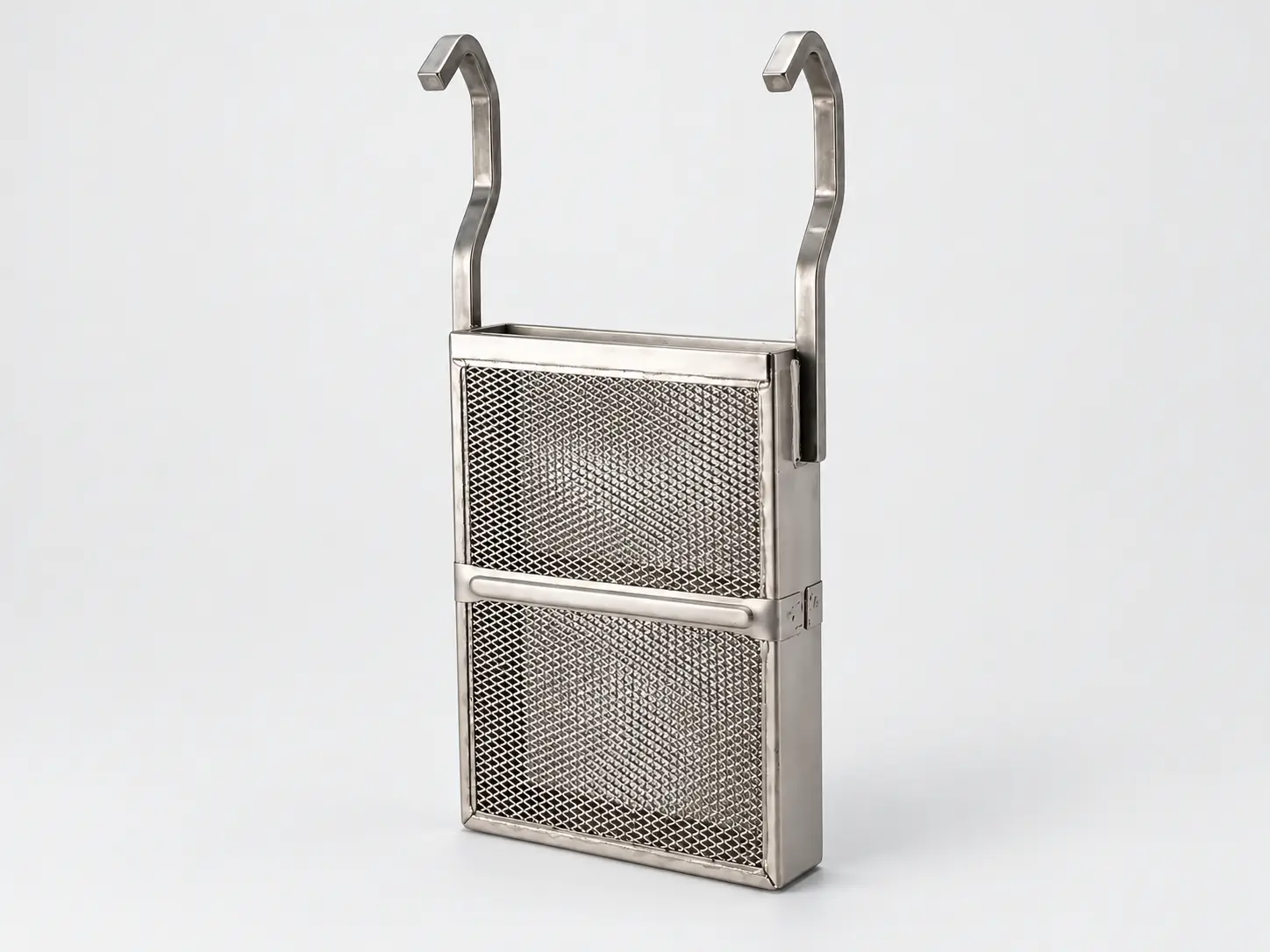
Start with the approved basket, the existing bag and the proposed sample. Compare the body and opening, how the bag is retained, and clearance below and around the installed basket. Inspect fit in the actual hanging position under the plant's approved procedure. The U.S. EPA's historical nickel plating industry report describes anode bags as a means of retaining residues from nickel anodes. That purpose helps define what the buyer needs to observe, while fabric, construction and fit remain application-specific. EPA nickel plating industry report
What evidence is enough for repeat purchase?
| Stage | Record to keep | If the result is unclear |
|---|---|---|
| Match the sample | Basket and tank IDs, current bag reference, candidate revision and sample lot | Ask the supplier to identify the actual sample and any differences before trial |
| Check the assembly | Bag fit, attachment and observed interference at the approved hanging position | Return fit concerns to maintenance and the process owner before use |
| Review the trial | Bag condition and residue observations before and after the agreed trial, with any other changes noted | Investigate a tear or a change in observations before attributing it to the bag |
| Release the specification | Approved revision, accepted trial record and purchase checks for later lots | Keep the candidate separate from the approved stock code |
Suppose the candidate fits on the bench but a seam folds against a feature when the basket is hung. Ask maintenance to record the position and the supplier to explain the change needed. The process owner can then decide whether a revised sample may enter trial. An order for the tested version should reference the exact bag that earned approval.
What should repeat orders refer to?
Put the approved bag revision, receiving checks and agreed change notification on the order. Have the lot linked to the supplied specification so the process owner can decide whether a later change needs review. A separate basket replacement needs its own fit and configuration check. Shared spare basket selection
Frequently asked questions
Is matching the nominal size sufficient?
Check retention, clearances and construction against the approved basket and actual hanging position.
Who accepts a different fastening arrangement?
Have maintenance confirm the fit and the process owner approve its use after the required review.
What if the sample develops a tear?
Record the position, sample lot and observation for the process owner. Preserve the evidence needed for the review.
What if nickel feed changes during the trial?
Record that change and have the process owner decide whether the results can still support bag approval.
Should particles automatically be blamed on the candidate bag?
Record the observation and relevant trial conditions. The process owner determines what evidence is needed to establish the cause.
Can purchasing release a different production construction?
Ask the supplier to disclose the change and obtain the required disposition before issuing the new revision as approved stock.
Request a basket and bag fit review
Send HELE TITANIUM the basket drawing or reference, existing bag dimensions and retention details, and your trial observations. Flag whether the basket will remain unchanged. Review titanium anode baskets · Send the fit information
Prepare a technical enquiry
Share the bath conditions, basket dimensions and mounting details, plus any drawing or replacement reference.
Ask a technical question →References

Project contact