
What to Check Before Replacing Titanium Anode Plates in a Copper Foil Drum Cell
Check the drawing, mounting, current feed and first-run acceptance before ordering replacement titanium anode plates for an electrolytic copper foil drum cell.
Table of Contents
Approve the fitted assembly, coating coverage and current-feed interface before ordering a replacement plate. Use the installed cell drawing to define the gap between the working face and the drum. Agree how the assembled fit and first-run foil will be checked before production release.
Confirm where the plate sits in the drum cell
In drum-based electrodeposition, copper forms on the rotating cathode drum and is peeled away as foil. An anode assembly sits across an electrolyte-filled gap from the drum surface. Published design examples describe curved anode surfaces adjacent to the rotating drum. Use the drawing and clearance requirements for your own machine to evaluate a replacement. Published drum-cell design example.
Start with the station name, drawing revision and position of each anode segment. Identify the drum reference, installed working-face profile, assembly datums and gap measurement locations. A removed plate may carry wear or distortion. If it is the only reference, record its condition and have the design owner approve the intended geometry before treating it as a production sample. The HELE copper foil application page also covers the separate inputs for post-treatment stations.
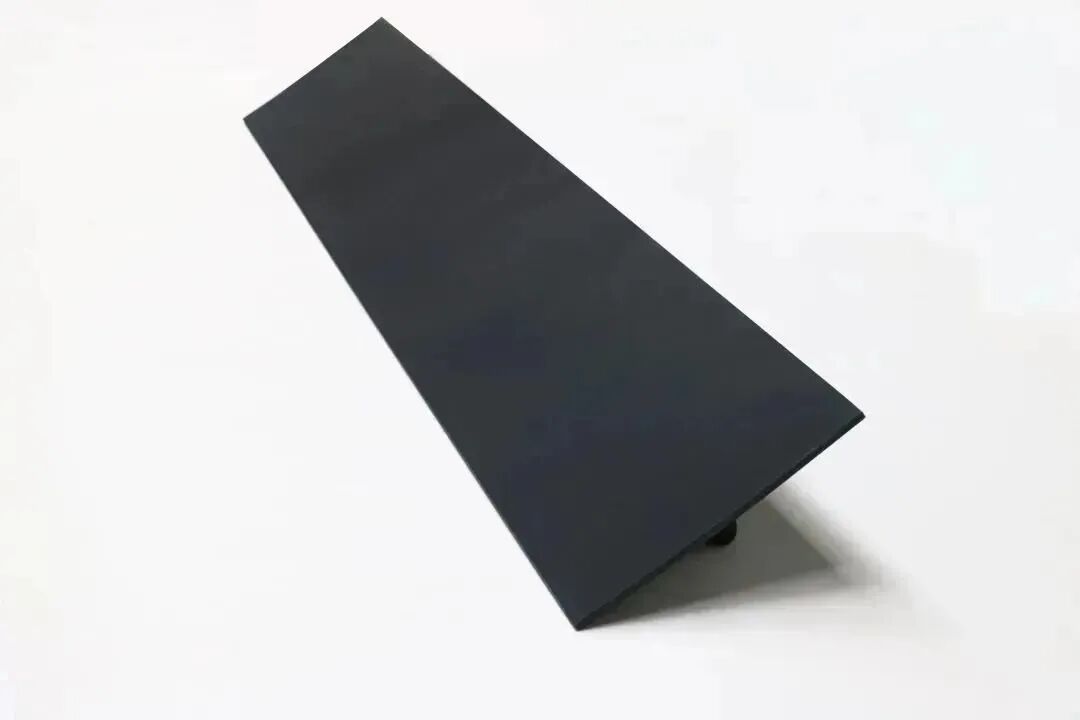
Compare mounting and electrical contact on the same drawing
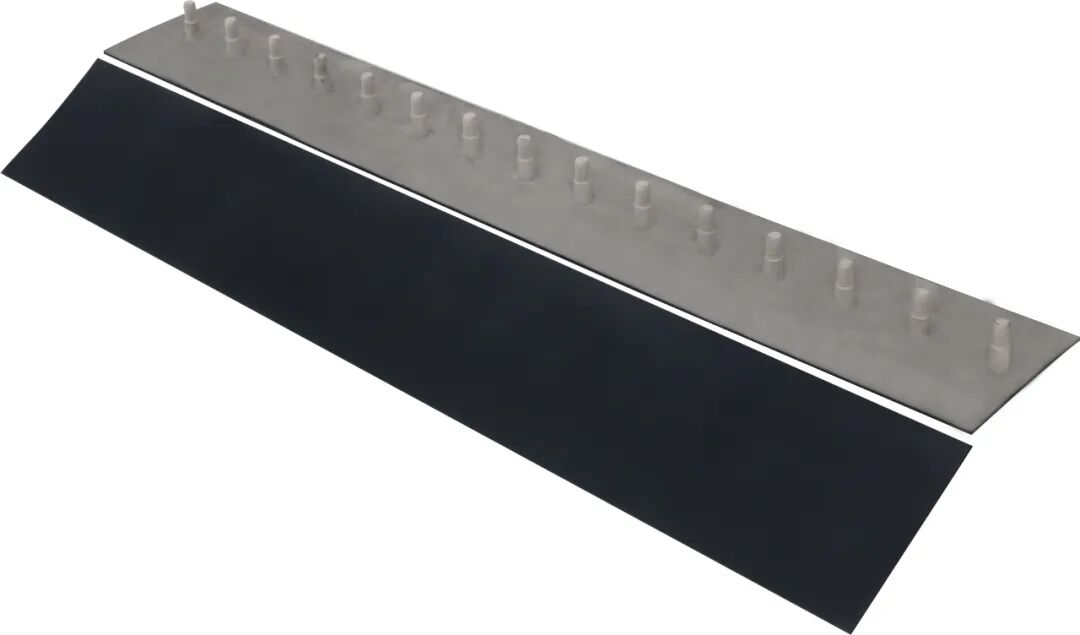
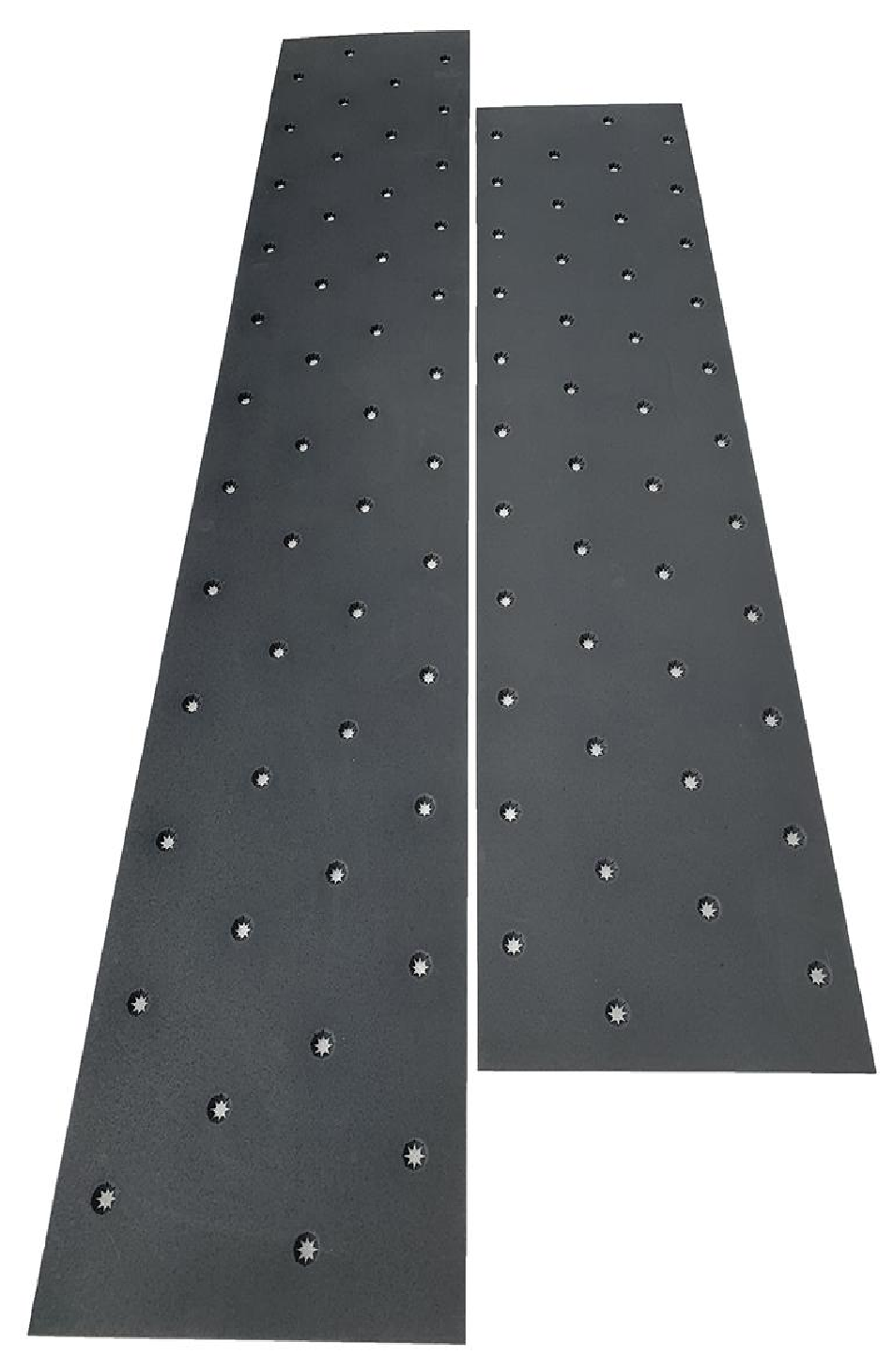
When the proposed drawing uses rear studs, review their positions, projections, mating hardware and access from the back of the assembly. When it uses recessed mounting features, verify the recess geometry, mating hardware and the relationship of the fastener to the working face. Supplier terminology varies. Attach the drawing detail to the quote so both parties are reviewing the same interface.
Identify which surfaces locate or support the plate and which carry current. Define the working coating, masked areas and any separately specified treatment at the electrical contact. If a fastener or rear surface also serves as a current connection, identify that duty on the contract drawing. Request the acceptance evidence for the offered assembly under the stated bath and operating conditions.
| What to compare | What to put in the enquiry | What to verify |
|---|---|---|
| Working face and gap | Assembly datum, working-face profile and gap check locations | The installed face and adjacent segments meet the approved cell drawing. |
| Rear studs or recessed mounting | Attachment detail, mating hardware and installation and removal access | The assembly can be fitted and serviced within the agreed envelope. |
| Coating and electrical contact | Active face, masking, current-feed surfaces, bath and electrical duty | The offered coating and contact boundary match the agreed specification. |
| Supply and release | Plate-only or assembled scope, inspection documents and first-run criteria | The plant can distinguish delivered-part conformity from acceptance in service. |
Agree which checks happen before shipment and at first run
Before shipment, ask for the records that identify the drawing revision, delivered parts, critical dimensions and agreed coating coverage. If the installed gap can only be checked once the plates are mounted, assign that check to the plant or its equipment contractor. Use the same reference surface and reporting locations throughout the review. Titanium anode purchasing checklist.
For the first run, agree what the plant will measure on the foil, where samples will be taken, which operating conditions it will record and who reviews deviations. If the replacement is intended to address a thickness variation, retain the comparison baseline and record other changes to the line. The finished-plate inspection and the first-run record answer different acceptance questions. Anode replacement and failure review.
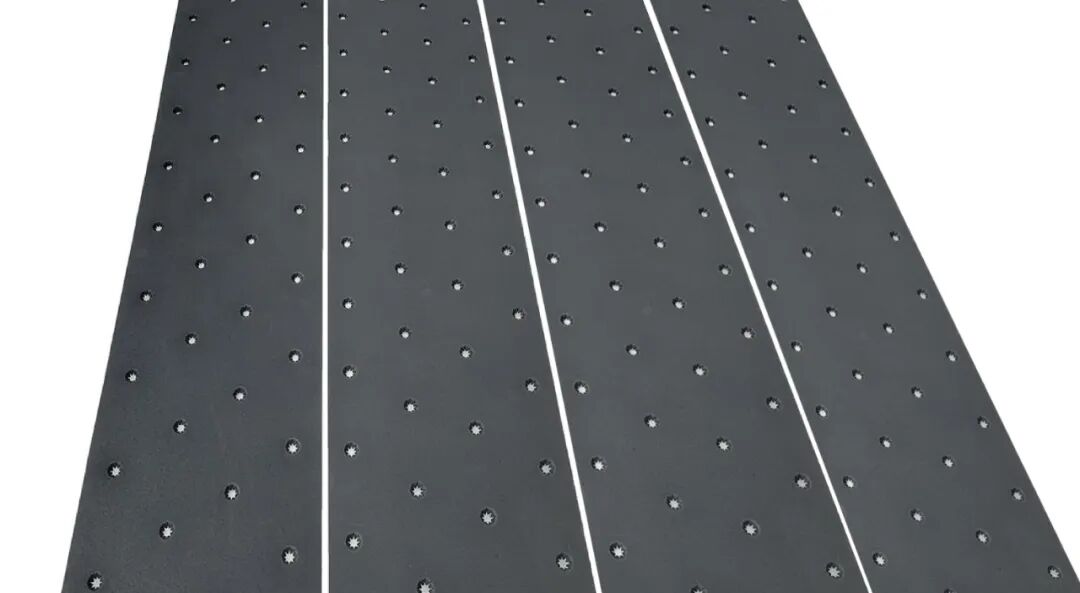
Use the same evidence before and after the change
Ask the plant to retain a thickness map with the same cross-web sampling points and comparable line conditions on both runs. Record the plate position, bath history, drum condition and any changes to the current feed at the same time. A change in the foil alone gives the team too little information to isolate which part of the process moved.
Where a coating or repair is offered as part of the replacement, ask how the supplier distinguishes the working surface from masked areas and contacts. Record the lot identification, what the release inspection measures, and what the plant will assess once the assembly is fitted. For a life comparison, agree on a failure endpoint and document the duty history rather than applying a reported figure from another line.
Frequently asked questions
Can I order a replacement from the old plate alone?
Use it to identify the proposed envelope and interfaces. If the original drawing is unavailable, document the removed part and ask the equipment owner to approve a replacement drawing that accounts for wear or distortion.
Are rear-stud and recessed mounting designs interchangeable?
The designer should compare installed fit, the retention method, access and the current path before releasing a change. Confirm the actual configuration from the mating drawings.
Which dimensions matter most for a curved segment?
Start with the installed working-face profile, the reference used to locate it, the segment boundaries and the agreed gap locations. Ask the design owner to set the allowed tolerances and measurement method.
Does an active-face coating also specify the rear electrical contact?
Review the drawing for separate coating, masking and contact-surface requirements. If the contact finish or protection matters to acceptance, specify it explicitly in the enquiry.
Will changing the anode plate fix uneven foil thickness?
Record where the variation occurs and review the plate alongside the installed gap, contact condition, operating history and other changes at the station. A comparable first run gives the plant evidence to judge the replacement under the agreed conditions.
What should I send for a quotation if I do not know the original coating?
Send the station, available drawing or photos, coating records if any, working bath, normal and peak electrical duty, and the reason for replacement. Mark the missing coating information so the proposed scope can name how it will be resolved.
Request a drawing-based review
Send HELE your segment or cell drawing, bath and electrical duty, mounting detail and first-run acceptance requirements. Identify whether you need coated plates, mounting hardware or an assembly reviewed.
Prepare a technical enquiry
Share the process or protected asset, operating conditions, geometry or drawing, and the scope you need reviewed.
Ask a technical question →References

Project contact