Pilot line
Describe the polymer web and conductive layer, the trial cell and how deposit quality is measured across the web.

Review the conductive layer, web handling and electrical contacts at the copper plating step for a composite current collector.
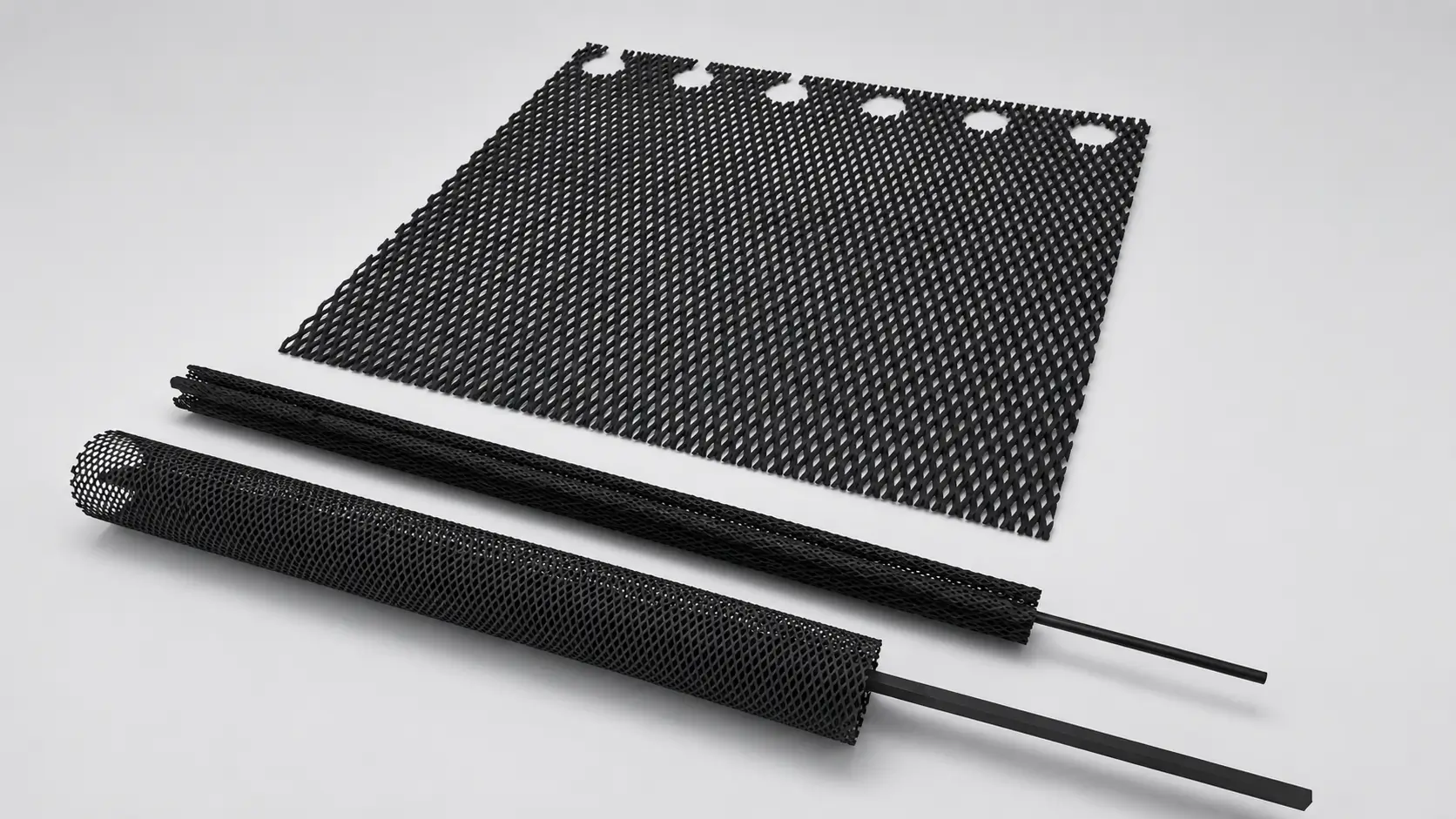
The starting conductive layer and the current feed to the moving web are part of the electrode review. Provide the collector construction and active plating zones before comparing a candidate anode.
Describe the polymer web and conductive layer, the trial cell and how deposit quality is measured across the web.
Supply the web path, line speed range and shielding, contact and clearance details for each plating zone.
Define the incoming conductive surface and the approved bath, then review how current is delivered to the web in each station.
| What to compare | What to provide | What it helps confirm |
|---|---|---|
| Collector and conductive layer | Identify the substrate, conductive layer and any sheet resistance data used by the process owner. | The incoming surface and electrical basis for the trial. |
| Web and plating zones | Share width, travel direction, speed range and coated side or sides. | The active electrode coverage and mounting envelope to evaluate. |
| Contacts and duty | Provide contact layout, electrical duty and bath chemistry for each station. | Candidate electrode and current distribution checks. |
| Deposit qualification | State the thickness profile, edge limits and any adhesion checks. | The acceptance method for sample or pilot runs. |
Screen MMO plate or mesh assemblies for a cell specified for insoluble anodes. Match the configuration to the conductive layer, contacts and station drawing before trial approval.
Review the separate purchasing inputs for drum-based foil formation and post-treatment.
Prepare the bath, current duty and drawing details for a technical review.